


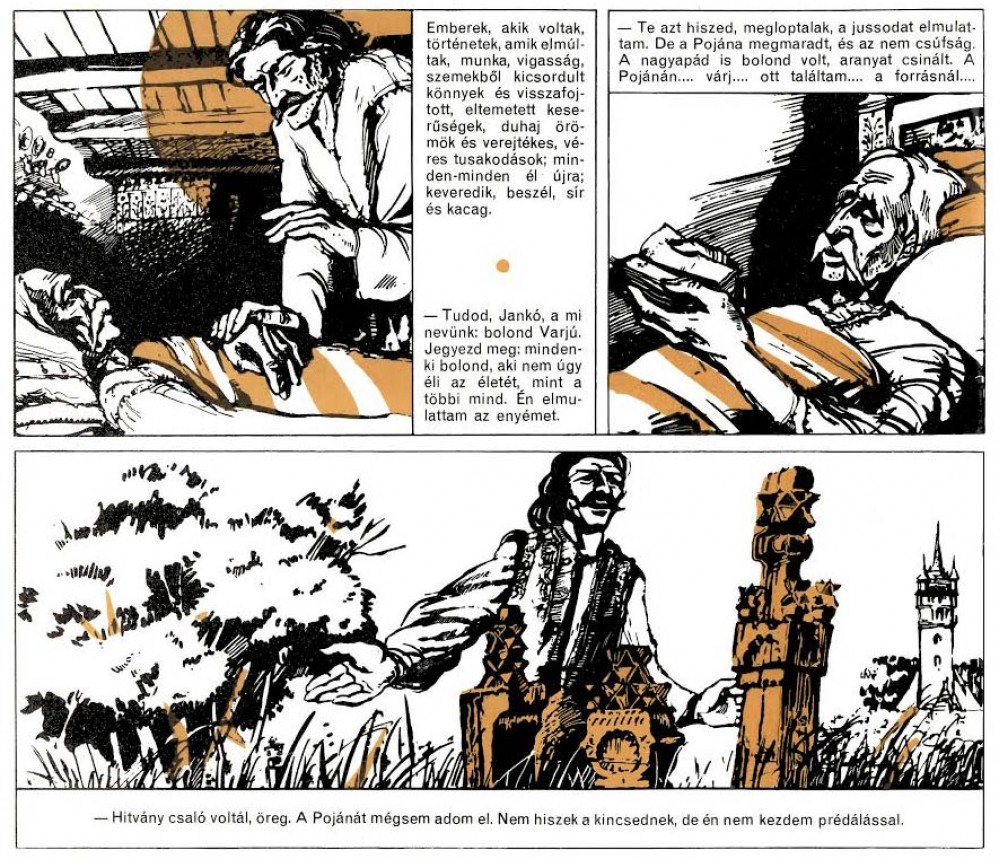
'Varju Nemzetseg'.
Irina Georgeta Pusztai is a Romanian graphic artist and book illustrator. In 1975, she made a text comic adaptation of Károly Kós' classic historical novel 'Varju Nemzetseg' ("The Varjú Generation"), published in book format a year later.
Early life and career
Born in 1949 in the Romanian capital of Bucharest as Irina Georgeta Nita, she graduated from the Nicolae Grigorescu Institute of Plastic Arts in 1974. In the following year, she married fellow artist Peter Pusztai (1947-2022), after which she went by the name Irina Georgeta Pusztai. Mainly active as a graphic artist and illustrator, notably skilled in woodcut designs, she has worked regularly for the publishing house Meridiane, designing book covers for both adult readers and children.
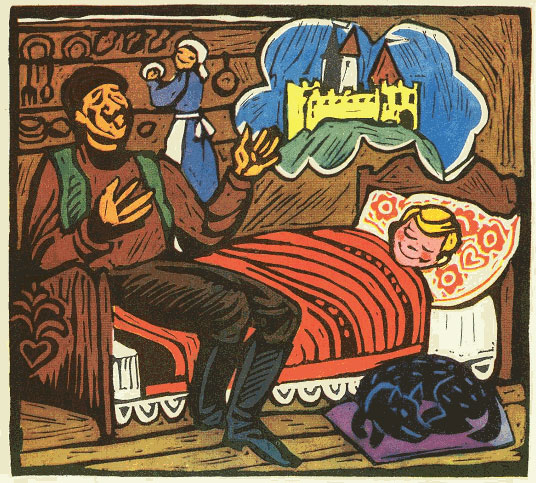
Illustration for the Gábor Cseke children's novel 'A Tuskó' (1970).
Varju Nemzetseg
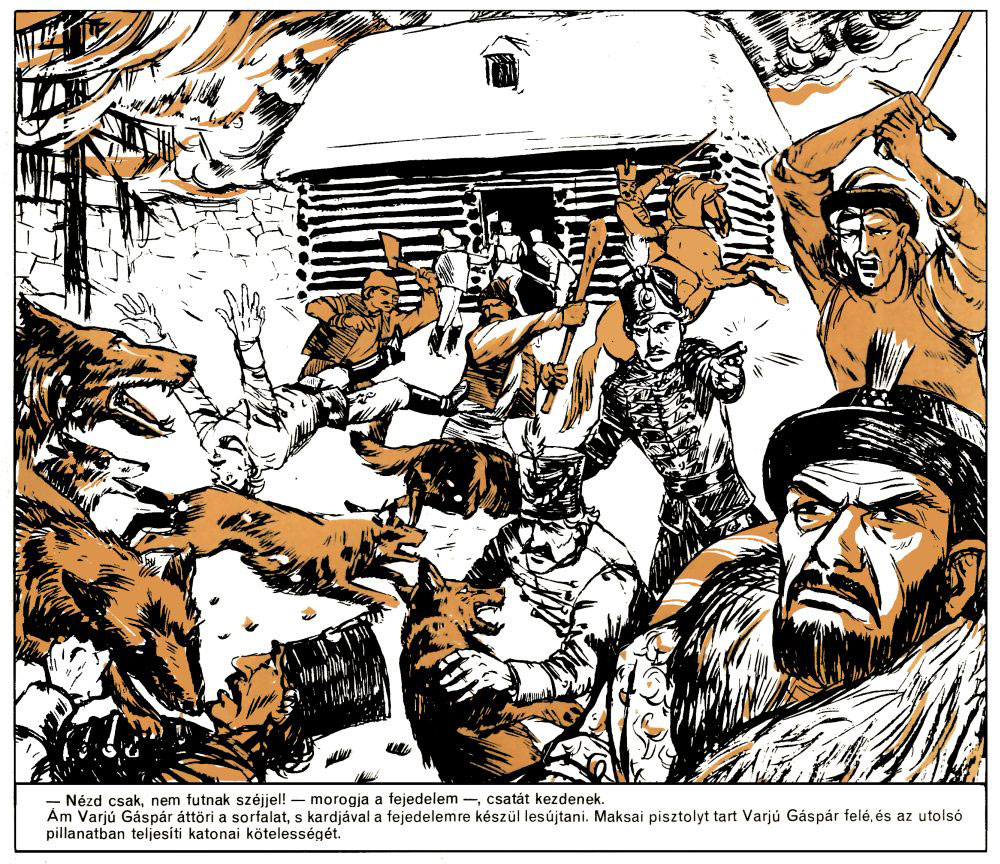
With the exception of a few comic strips on commission, Pusztai's only major comics project appeared in 1975 in the children's magazine Ifjúmunkás. In the mid-1970s, the magazine's editors wanted to boost sales and attract more subscribers. Since comic book adaptations of Romanian novels were very popular, they decided to create a comic version of the 1925 historical novel 'Varju Nemzetseg' ("The Varjú Generation") by the novelist and architect Károly Kós (1883-1977). Set in the 17th century, the plot follows three generations of a clan in the Romanian province of Transylvania. The editors felt this novel was a good choice, since it was required reading in many schools and a straightforward, safe adventure story that Communist censors wouldn't object to. However, since Kós was already in his nineties and in ill health, his relatives shielded him from outside visitors. Luckily, Ifjúmunkás' assistant-editor and journalist Árpád Nits knew Enikő Czeglédi, the aging novelist's oldest granddaughter, and through her he was able to visit Kós and ask for permission. The veteran novelist greenlighted the project, though not with much enthusiasm.
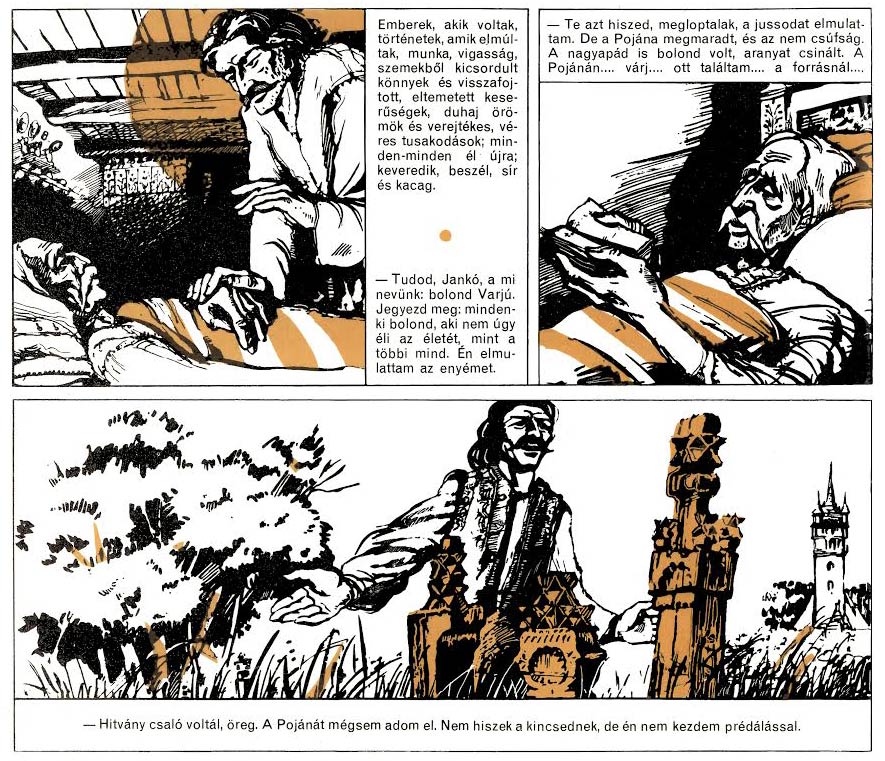
'Varju Nemzetseg'.
Arpád Nits adapted 'Varju Nemzetseg' into a comic book script and did all the necessary historical research. The artwork was provided by Irina Pusztai, whose husband Peter was a photo journalist and graphic designer for the magazine. The story was visualized in the text comic format, with narration and dialogue underneath the images. In 1975, the 'Varju Nemzetseg' comic was serialized in Ifjúmunkàs and, in 1976, published in book format by Ion Creangă. Kós was able to browse through the 28-page visualization of his novel before he died in 1977.
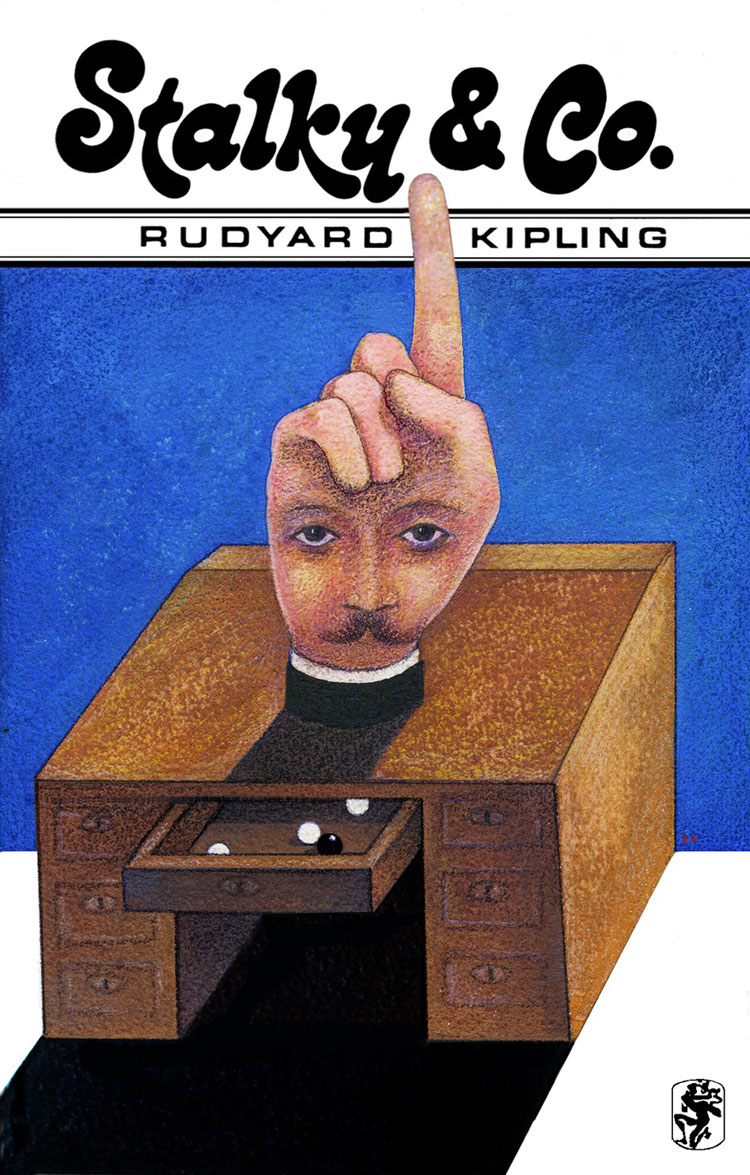
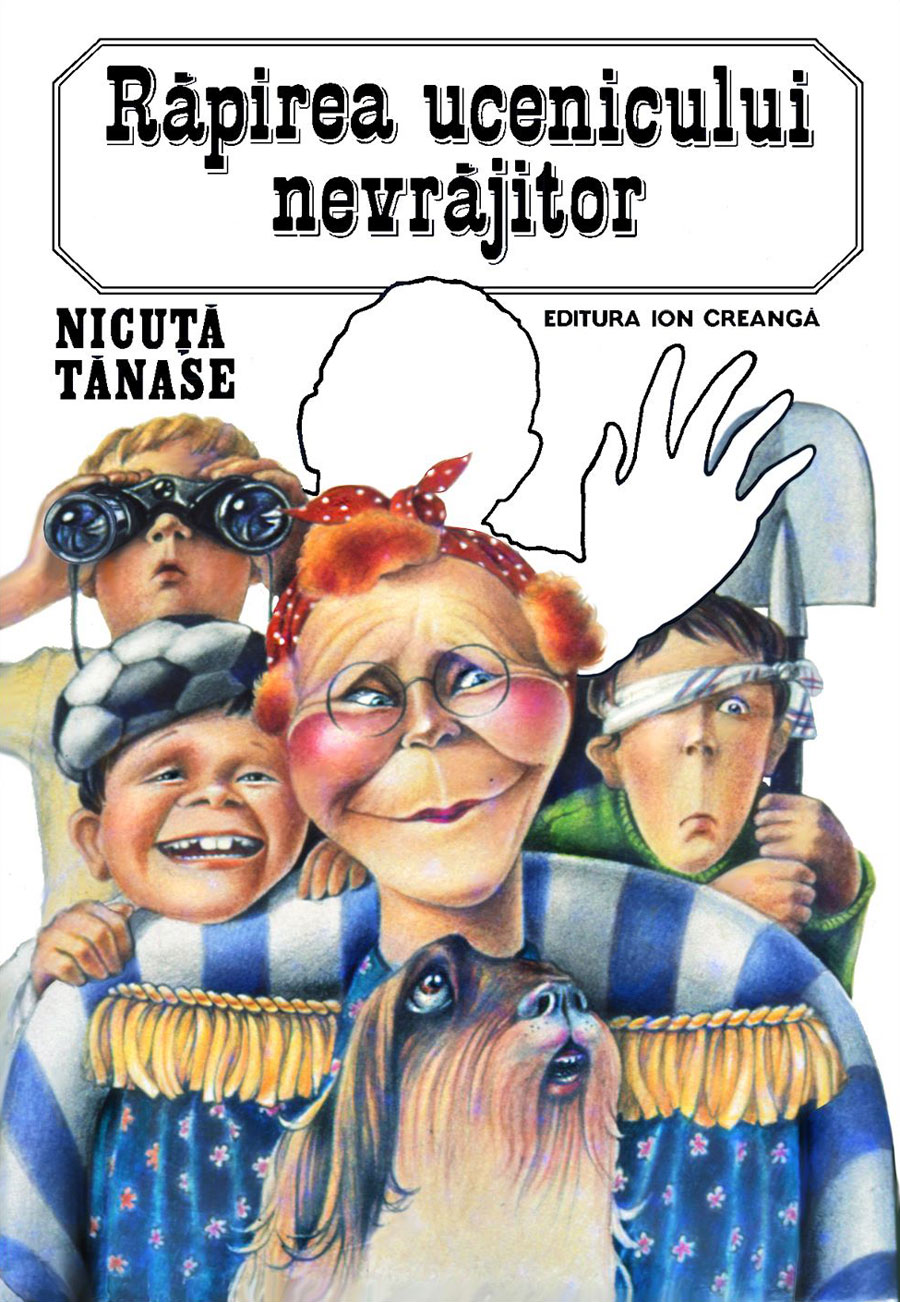
Cover illustrations by Irina Pusztai.
Canada
In 1981, Irina Pusztai and her husband travelled to Switzerland, officially to attend an exhibition, but in reality they defected to the West and asked political asylum. Within three years, they moved even further and settled in Vaudreuil, Quebec, near Montréal. There, the couple founded their own design and illustration agency, Publicité et Graphisme, through which they worked for publishers and film studios. In 1984, Irina Pusztai designed the cover of the children's record 'Rencontre Du Quatrième Type'. Throughout the decades, Irina Pusztai designed numerous advertisements and illustrated various books, including five volumes of Jane Brierley's 'Famous Fables Treasury' (Tormont Publications, 1998) and adaptations of Frank L. Baum's 'The Wizard of Oz' and Jean De La Fontaine's 'Fables'. In addition, Irina and Peter Pusztai collaborated on the logo for the coffee brand Káfé.
Irina's husband Peter Pusztai became an internationally renowned graphic artist, who worked for the Canadian publishing houses Méridien, Quinze, Beauchemin, Mondia, Trécarré, Héritage and Grolier, and created set designs for several motion pictures. While based in Canada, his ties with his home country were characterized by a special protest poster he made for the Hungarian Human Rights Foundation against the destruction of Hungarian villages of the Ceaușescu regime. After 1989, he was able to return to his home village of Középájta, where he had a statue erected for the scientist József Benkő and where he personally covered most of the financial costs of repairing the church. A Knight of Hungarian Culture since 2009, Peter Pusztai died in 2022.
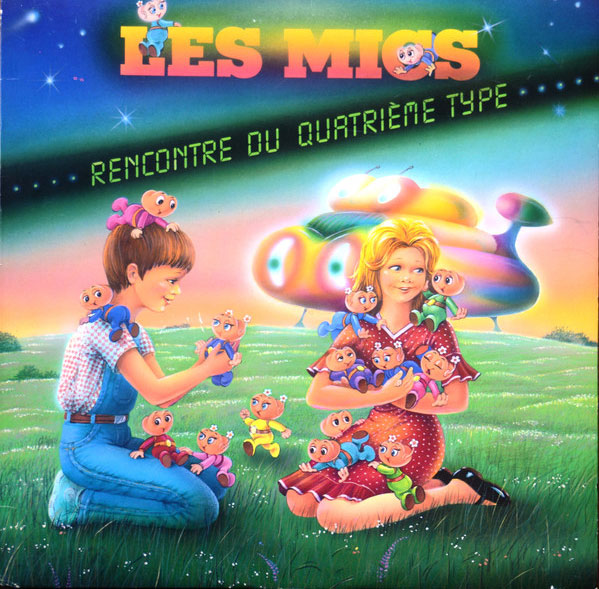
Record sleeve illustration by Irina Pusztai.
Irina Pusztai's work has been a regular feature in the New York graphic art magazine Graphics, and her paintings have been exhibited in Canada and Europe. Some are part of the permanent collection of the Romanian National Museum of the Arts in Bucharest, others are in private collections in Germany, France and Belgium.
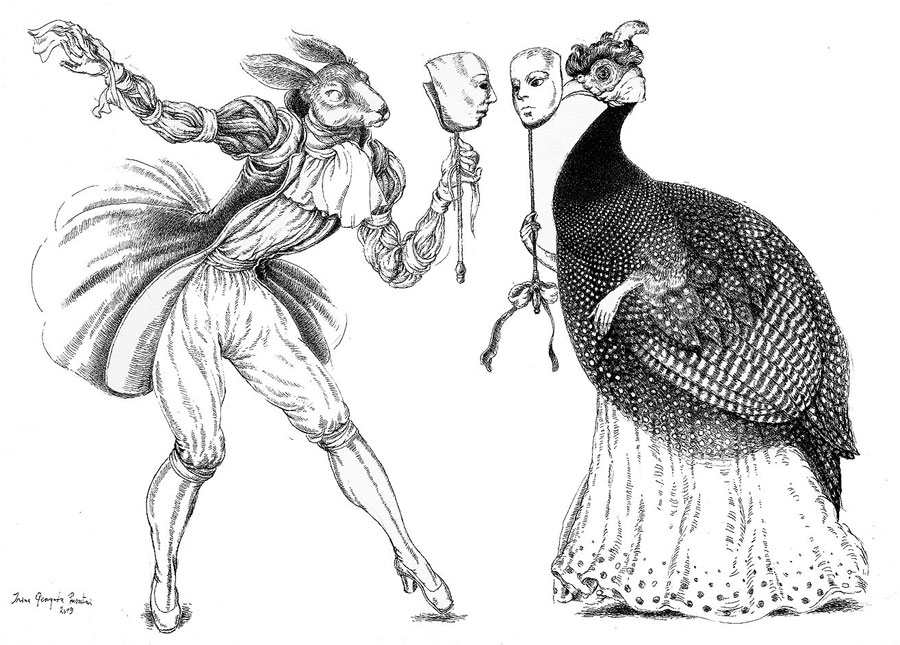
"Bal Masqué" (2019).